
How Data-Driven Decisions Impact B2C Customer Acquisition

In today’s digital age, making data-driven decisions is a key strategy for many businesses looking to succeed. This approach is particularly valuable for companies seeking to enhance their B2C customer acquisition efforts. By analyzing data, businesses can gain insights into customer behavior and preferences, enabling them to make more informed decisions. In this blog, we’ll explore how data-driven strategies can transform the way we approach customer acquisition in the B2C sector.
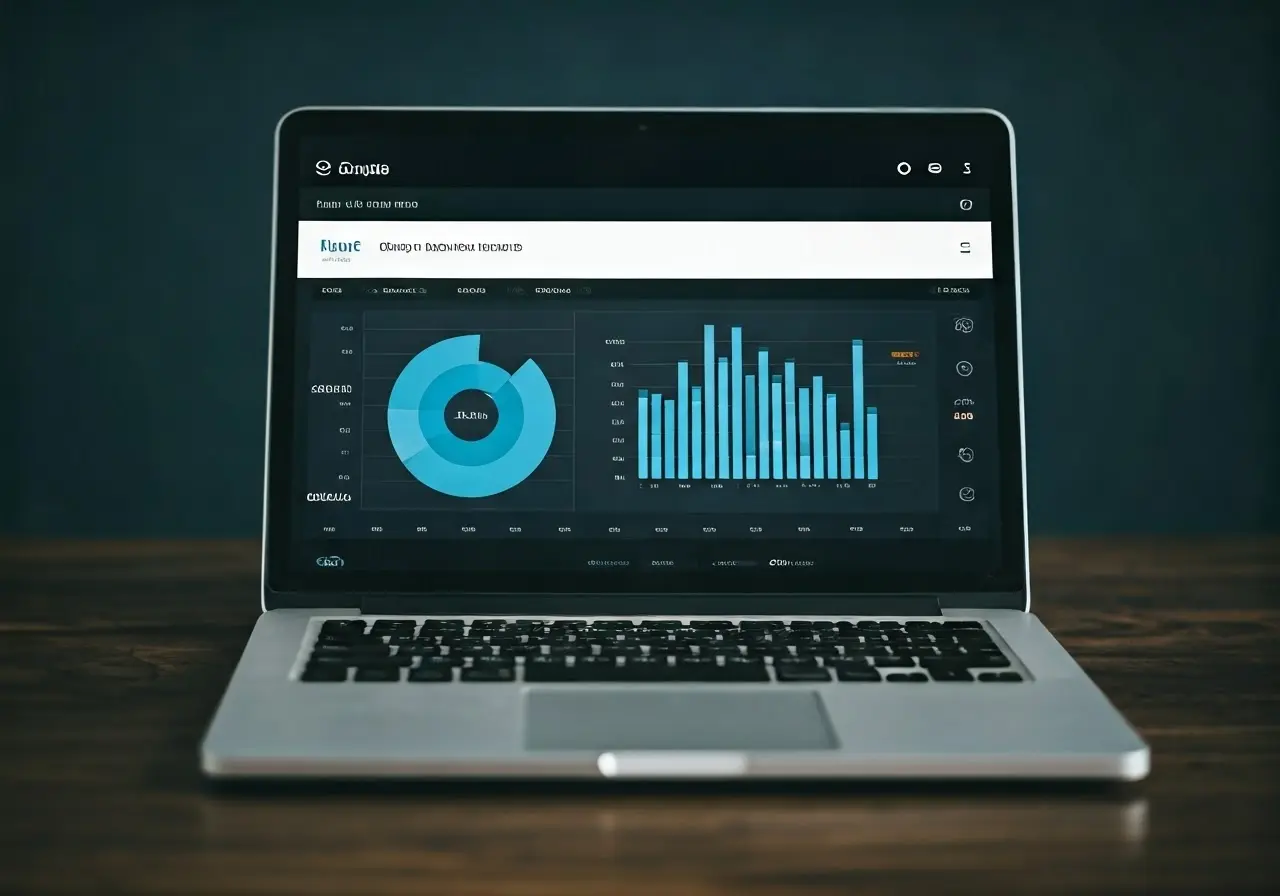
A digital dashboard showing analytics and graphs on a laptop. 35mm stock photo

Understanding the Role of Data in Customer Acquisition

Data has become a central part of decision-making processes in modern businesses. For B2C companies, understanding customer needs and behaviors through data analysis can create opportunities for more targeted acquisition strategies, improving conversion rates and customer satisfaction.

In today’s competitive market, the ability to gather and analyze data is more critical than ever. Businesses need to understand the nuances of customer interactions at various touchpoints—from a simple inquiry on a website to the final purchase decision. Employing precise data analytical techniques allows companies to anticipate customer needs more accurately and craft personalized marketing campaigns. Furthermore, leveraging insights from historical data not only helps predict future buying trends but also mitigates risk by making informed, strategic decisions.

The digital transformation has revolutionized the way businesses approach customer acquisition. Modern-day enterprises employ advanced tools that draw on data to paint a detailed picture of customer preferences and behaviors. Leveraging machine learning and AI technologies, companies can now predict trends and design customer-centric strategies. This empowers businesses to effectively streamline their marketing efforts, thereby minimizing waste and maximizing return on investment.

Utilizing Analytics to Enhance Customer Insights

Analytics tools provide invaluable insights into customer preferences and trends. By studying these analytics, businesses can identify what resonates with their audience and adjust their marketing tactics accordingly, ensuring that they reach the right people with the right message.

Real-time analytics is a game changer for B2C companies. Through dashboards and reporting tools, businesses can track customer interactions as they happen, enabling them to make instantaneous adjustments to their campaigns. Tools like Google Analytics and customer relationship management software allow businesses to drill down into specifics, like which social media platforms drive the most traffic or which product features garner the most attention. As a result, businesses can focus their resources on strategies that yield the highest return.

Another compelling use of analytics in customer acquisition is segmenting audiences for more targeted initiatives. By categorizing customers based on demographics, behavior, or psychographics, companies can craft bespoke marketing messages that are more likely to engage and convert. This granularity in customer understanding wouldn’t be possible without leveraging analytics. Furthermore, integrating third-party data sources enriches these insights, allowing businesses to build a more robust understanding of their target audience.

Personalization: The Key to Successful Customer Engagement

Data enables businesses to personalize their interactions with customers, creating more meaningful connections. Personalization can significantly enhance customer engagement, leading to increased loyalty and acquisition rates.

Implementing personalization strategies goes beyond merely addressing customers by their first name in emails. Companies can leverage data to understand customer preferences and tailor their communication across multiple channels—be it newsletters, social media interactions, or direct advertisements. This level of personalization fosters a sense of belonging and value among customers, encouraging loyalty and turning occasional buyers into devoted brand advocates.

Lately, dynamic content has been gaining traction as a powerful personalization tactic. By altering website content based on visitor profile data, businesses can provide a unique experience that aligns closely with user interests and needs. This approach not only captivates visitors but also significantly enhances conversion rates, as customers are more likely to purchase when they see products or services directly relevant to them. Personalization, fueled by data insights, is fast becoming the backbone of effective customer engagement strategies.

Measuring Success: KPIs and Metrics for Data-Driven Strategies

To ensure the effectiveness of their strategies, B2C companies need to measure success through clear KPIs and metrics. This section will discuss essential metrics that businesses should track to evaluate their customer acquisition efforts and make necessary adjustments.

In the realm of data-driven decision-making, defining the right KPIs is crucial for measuring success. Conversion rate is a fundamental metric that indicates how well your customer acquisition tactics are working. Equally important is customer lifetime value (CLV), which helps ascertain the long-term profitability of customers acquired through various channels. Cost per acquisition (CPA) is another critical metric that gives insight into the expenditure involved in gaining a new customer, guiding budget allocation.

Apart from these conventional metrics, it’s also essential to track customer engagement KPIs such as click-through rates, the average time spent on site, and bounce rates. These insights shed light on how well your content is resonating with your target audience and whether it is motivating them to take desired actions. By continuously monitoring these parameters, businesses can recalibrate their strategies to address any shortfalls, ensuring resources are directed towards the most effective channels.

The Future of B2C Customer Acquisition: Data is Key

Embracing data-driven decision-making is no longer just an option for B2C businesses; it’s a necessity. By leveraging data effectively, companies can better understand their customers, tailor their strategies, and ultimately drive successful acquisition efforts. As we continue to navigate an increasingly data-centric world, the ability to make informed decisions will only grow in importance. Visit Skyrush Marketing to learn more about how data can power your business growth.


The Role of Web Development Services in Boosting ROI

In today’s digital age, businesses are increasingly realizing the importance of a robust online presence. One of the key factors that contribute to this is web development services. A well-developed website not only attracts more visitors but also converts them into loyal customers, ultimately boosting ROI. Let’s explore how effective web development can drive your business growth.
A laptop displaying code with financial charts in the background. 35mm stock photo

Understanding the Basics of Web Development Services

Web development encompasses a range of services from designing the layout to coding and maintaining websites. It involves both front-end and back-end development to ensure a seamless user experience. A well-crafted website acts as the digital face of your business, highlighting your brand’s identity and values. Architects of the web, developers carefully integrate various elements like layouts, fonts, and colors to engage visitors visually. Backend development ensures that all the intricate functionalities of the site work smoothly, managing databases and user interactions efficiently.

Moreover, effective web development is crucial for scalability. As your business grows, your website must adapt to increased traffic and emerging technologies. By adopting adaptive frameworks and modular coding practices, web developers can future-proof your site, ensuring it can be modified and expanded with ease. Through meticulous planning and innovative practices, expert web development sets a foundation that is both flexible and robust, ready to accommodate your business’s evolving needs.

The Impact of Web Design on User Engagement

A visually appealing and intuitive design significantly enhances user engagement. A well-designed website keeps visitors on the page longer, encouraging them to explore further and eventually make a purchase. The initial impression a visitor gets from a website can often dictate whether they stay or leave hurriedly. Strategic use of design elements such as color theory, typography, and imagery creates an inviting atmosphere. For instance, color schemes can evoke specific emotions, fostering a desired perception of your brand. Proper use of whitespace also prevents overcrowding, allowing visitors to focus on key messages without distraction.

Furthermore, user-centric design is integral to keeping users engaged. Intuitive navigation, for example, acts as a guide, leading visitors naturally through your site. With clear, concise menus and strategically placed call-to-action buttons, users are gently ushered towards conversion-friendly paths. Additionally, an aesthetic yet functional design aligns your website with current design trends, enhancing its relevance and appeal. By focusing on a harmonious balance between form and function, your website can become a powerful tool in boosting user engagement and driving ROI.

SEO Optimization: A Key Factor in Web Development

Search Engine Optimization is a crucial element of web development. By integrating SEO strategies, websites can improve their visibility on search engines, leading to increased traffic and higher conversion rates. SEO begins at the foundation, with the meticulous setup of meta tags, headings, and alt texts for images. These elements provide search engines with the context needed to index your site effectively. Moreover, keyword research and placement help in aligning your website content with what your audience is searching for, bridging the gap between user intent and your offerings.

SEO is a dynamic field, constantly evolving with updates like Google’s 2021 Page Experience Update, which emphasizes user-centric metrics such as loading speed and mobile-friendliness. This highlights the ongoing need for web developers to remain agile, continuously optimizing websites to meet new requirements. Additionally, building quality backlinks from credible sources can enhance your site’s domain authority, further improving its search engine rankings. Consistent SEO efforts not only increase visibility but also build long-term equity for your brand, ensuring sustainable online success.

Ensuring Mobile Responsiveness and Accessibility

With the growing use of mobile devices, it’s vital that websites are optimized for mobile access. Responsive web design ensures that your site functions well on any device, expanding your reach to a broader audience. The principle of responsive design is rooted in the idea of creating fluid, flexible layouts that adjust seamlessly to varying screen sizes. This adaptation is essential for providing an optimal viewing experience, regardless of whether a user is on a smartphone, tablet, or desktop computer.

Beyond responsiveness, accessibility plays a critical role in expanding your audience. Features like screen reader compatibility, color contrast for readability, and keyboard navigation support are vital for inclusivity. By adhering to the Web Content Accessibility Guidelines (WCAG), businesses can make their digital presence accessible to users with disabilities, which is not only ethical but also expands market reach significantly. Prioritizing both responsiveness and accessibility in your web development strategy ensures your website is user-friendly and compliant with modern web standards.

Enhancing Site Performance for Better Results

Website speed and performance play a crucial role in user experience. Slow-loading sites can lead to higher bounce rates, while optimized performance enhances user satisfaction and boosts ROI. Efficient coding practices, such as minimizing CSS and JavaScript files, contribute significantly to faster load times. Additionally, utilizing Content Delivery Networks (CDNs) distributes your content across various geographical locations, reducing latency and enhancing load speeds for users globally.

Another aspect of performance optimization involves database management. Efficient queries and indexing can drastically improve query performance, speeding up data retrieval processes. Regular performance audits can identify bottlenecks and areas for improvement, ensuring your site remains swift and responsive. By focusing on these aspects, you not only improve user experience but also pave the way for higher conversion rates as users who enjoy a frictionless browsing experience are more likely to complete transactions.

Security Measures to Protect Your Investment

Implementing strong security measures safeguards your website from threats and builds customer trust. Secure sites are more likely to retain customers, contributing to a stable return on investment. Fundamental security practices, such as HTTPS encryption, secure login protocols, and regular software updates, are the cornerstones of a fortified website. These measures protect sensitive data from interception and attacks, assuring users that their personal information is safe with your business.

Regular security assessments and the implementation of advanced measures, such as intrusion detection systems (IDS) and web application firewalls (WAF), provide additional layers of defense against cyber threats. Transparency in your security efforts reinforces trust, showcasing your commitment to safeguarding user data. In an era where data breaches are prevalent, robust security practices not only protect your brand’s reputation but also provide a foundation for sustained customer loyalty and trust, ultimately enhancing your ROI.

Elevate Your Business with Strategic Web Development

In conclusion, investing in quality web development services can greatly enhance your business’s ROI. From creating a user-friendly design to optimizing site performance and ensuring strong security, a professional approach can make a significant difference. As the digital landscape continues to evolve, businesses that prioritize top-notch web development services are more likely to thrive and succeed.

10 Advanced Search Strategies to Boost Your Long Island Business

In today’s digital world, standing out online is essential for any business. Especially for a vibrant place like Long Island, where competition can be fierce, optimizing your search strategies can make all the difference. Let’s explore some advanced techniques to help your business shine!
A bustling Long Island business district with digital search icons. 35mm stock photo

1. Harnessing the Power of Local SEO

Local SEO is more than just a buzzword—it’s a pivotal strategy for any local business endeavoring to capture the attention of nearby customers. When a potential client searches for a service or product you offer, you want your business to be the first they see. Consider optimizing your Google My Business profile; it’s a crucial resource that not only tells customers where to find you but also gives insights into your business hours, services, and even customer testimonials. By claiming and updating your local directory listings, you ensure that all your information is accurate and consistent, thus earning the trust of both potential clients and search engines. Such enhancements increase your visibility on search maps and improve navigational ease for your customers, increasing the likelihood of foot traffic and in-store visits.

A well-rounded local SEO strategy doesn’t stop at digital listings. Engage with local activities and events, and ensure these activities are documented online. Photos and video content from community events also help build a digital footprint that resonates locally. Moreover, encourage community members to leave reviews and feedback; these contribute significantly to your online reputation and can enhance your search rankings. By intertwining your business activities with local happenings, you make your brand synonymous with the community. The benefit of such an approach is twofold: you attract local customers looking for immediate solutions, and you gather valuable local insights that can guide future marketing strategies.

2. Targeting Long-Tail Keywords

Long-tail keywords might seem insignificant due to their lower search volumes, but they carry immense power in driving more qualified traffic to your website. These keywords are often more descriptive, consisting of three or more words, which provides specificity. This specificity helps attract a more targeted audience who are often further along in the purchasing process and ready to convert. For Long Island businesses, incorporating location-based long-tail keywords is a game changer. Instead of simply targeting ‘bakery’, try ‘artisan bakery in Long Island’ or ‘family-owned bakery in Long Island’. These serve two purposes: aligning your content with specific search intents and reducing competition from wider-reaching generic searches.

The strength of long-tail keywords lies in their ability to capture niche markets that your competitors might overlook. Conducting thorough research using tools like SEMrush or Google’s Keyword Planner will help you identify these potent keywords. With detailed knowledge of search queries popular in Long Island, you can tailor content that directly addresses what your audience is looking for. Remember, potential customers using long-tail keywords are generally more knowledgeable and specific in their needs. Therefore, when crafting content around these keywords, it’s beneficial to provide detailed articles, FAQs, and guides that fully answer their queries. Such targeted content not only improves your search engine visibility but also positions your business as an authority in your field.

3. Optimizing Your Website for Mobile Users

In today’s market, mobile optimization is not optional. With approximately half of all web traffic coming from mobile devices, ensuring your website is mobile-friendly is imperative for reaching your audience effectively. This means designing a responsive website that adjusts seamlessly across different screen sizes and loads quickly. Slow loading times can drive impatient users away, which could be detrimental to capturing new business. Compress images and utilize browser caching strategies to enhance speed. Also, consider the mobile experience beyond just loading times. Navigation and usability should be intuitive, with clear call-to-action buttons that guide users effortlessly through your site.

4. Leveraging Social Media for Increased Reach

Harnessing the potential of social media can extend your brand’s reach far beyond Long Island, while still engaging deeply with the local community. Social platforms are not merely for interaction but also serve as dynamic canvases for promoting your business’s story and values. Curate content that resonates with both local trends and global events, keeping it vibrant and sharable. Using pertinent hashtags and geotags can position your content where it’s most effective within the social media ecosystem. Consistent interactions, timely responses, and engaging posts can shore up loyalty among your followers. Social media offers diverse ad targeted options too, which you can tailor specifically to Long Island demographics, focusing on age, interests, and even behaviors. This makes social media not merely promotional but analytical, supplying insights that can inform broader marketing strategies.

5. Utilizing Content Marketing Effectively

Content marketing is an essential avenue for businesses to engage with their audience authentically. By delivering high-quality content that resonates with local trends and interests, businesses can foster a deeper connection with potential customers. Focus on creating compelling blog posts, attention-grabbing infographics, and informative videos that address common customer pain points or questions within your industry. For instance, a Long Island hardware store could produce DIY video tutorials for local home improvement projects, thus establishing authority and fostering trust with their audience. Such content not only draws organic traffic but often encourages sharing, further expanding your reach.

Furthermore, understanding your audience is paramount in content marketing. Leverage analytics to gauge which types of content perform best with your Long Island audience, and adjust your strategy accordingly. Whether it’s lighthearted behind-the-scenes snapshots or detailed industry reports, your content should reflect the character of your brand and the interests of your audience. Collaborations with local influencers or niche experts can also amplify your reach—providing fresh perspectives and tapping into new audience segments. Remember, consistent, valuable content not only captures attention but keeps your audience coming back for more.

6. Incorporating Schema Markup for Rich Snippets

Schema markup might sound complicated, but it’s a straightforward way to help search engines understand your content better, thereby boosting your visibility. It’s like adding little notes for search engines, helping them grasp exactly what your website is about. When implemented properly, schema markup can enhance your search listings with rich snippets that include star ratings, event dates, or business hours which can significantly catch the eye of users scrolling through search results. This added information compels more click-throughs and can drive increased traffic to your website.

7. Monitoring Analytics for Continuous Improvement

Analytics is a powerful tool that can transform vague assumptions about your target audience into actionable insights. Utilizing platforms like Google Analytics allows businesses on Long Island to track everything from website traffic to user behaviors and conversion patterns. By keeping a regular eye on metrics such as bounce rates, time on site, and user demographics, businesses can identify what’s working and what isn’t. This real-time data enables you to tweak your marketing strategy as needed to better align with your audience’s preferences and behaviors. Not only does this enhance user experience, but it also sharpens your competitive edge.

8. Engaging with Online Communities and Forums

Online communities and forums represent a treasure trove of opportunities for engaging with potential customers and industry peers. By participating in these platforms, such as Reddit or industry-specific forums, businesses can establish themselves as thought leaders and industry experts. Offering valuable advice, solving problems, and even addressing concerns related to your industry or products not only boosts your reputation but can also direct more traffic to your website. Involvement in these communities uncovers insights into customer expectations and preferences that can be invaluable when refining your marketing strategies.

Another advantage is the direct feedback you receive on these platforms. This feedback is often candid and can provide a reality check on how your brand is perceived in the market. Engaging directly with community members allows you to demonstrate customer service excellence and gain firsthand insights into any adjustments needed for your products or services. Being active in these arenas feeds into your overall content strategy, sparking ideas for new topics, whilst also enhancing community-driven marketing efforts. These interactions can go a long way in forging lasting relationships with your audience.

9. Improving User Experience on Your Website

At the heart of every effective digital marketing strategy lies an exceptional user experience (UX). Your website not only serves as the face of your business but also as a primary engagement tool. A seamless and engaging user experience ensures visitors are more likely to stay longer and explore what you have to offer. Start by ensuring your website is intuitive; easy navigation helps users find information quickly and reduces the chance of them leaving. High-quality images and clean design give a professional feel, while clear call-to-action prompts guide users towards completing a desired action, like signing up for a newsletter or making a purchase.

Fast loading times also play a critical role in user experience. Users are quick to abandon websites that take too long to load, especially on mobile devices. Utilize best practices such as image compression and server optimization to improve load times. Additionally, monitor feedback and conduct user testing to understand areas where your website’s UX can be improved. The better the experience you deliver, the higher the chance of conversions and customer retention. Ultimately, focusing on user experience is not just about pleasing aesthetics but about functionality and taking advantage of every opportunity to convert site visits into meaningful business interactions.

10. Adopting Voice Search Optimization

Voice search is revolutionizing how users seek out information online, and as its popularity grows, optimizing your content for voice queries is increasingly critical. Unlike text searches, voice queries tend to be more conversational and longer. This requires a shift in focus from traditional keywords to natural language processing and question-based content structures. Integrating FAQs on your website or creating content that directly addresses common queries can align your business with voice search trends. This presents an opportunity to reach a wider audience, as voice search cuts across demographics by offering a more convenient hands-free option.