
In today’s digital age, making data-driven decisions is a key strategy for many businesses looking to succeed. This approach is particularly valuable for companies seeking to enhance their B2C customer acquisition efforts. By analyzing data, businesses can gain insights into customer behavior and preferences, enabling them to make more informed decisions. In this blog, we’ll explore how data-driven strategies can transform the way we approach customer acquisition in the B2C sector.
Understanding the Role of Data in Customer Acquisition
Data has become a central part of decision-making processes in modern businesses. For B2C companies, understanding customer needs and behaviors through data analysis can create opportunities for more targeted acquisition strategies, improving conversion rates and customer satisfaction.
In today’s competitive market, the ability to gather and analyze data is more critical than ever. Businesses need to understand the nuances of customer interactions at various touchpoints—from a simple inquiry on a website to the final purchase decision. Employing precise data analytical techniques allows companies to anticipate customer needs more accurately and craft personalized marketing campaigns. Furthermore, leveraging insights from historical data not only helps predict future buying trends but also mitigates risk by making informed, strategic decisions.
The digital transformation has revolutionized the way businesses approach customer acquisition. Modern-day enterprises employ advanced tools that draw on data to paint a detailed picture of customer preferences and behaviors. Leveraging machine learning and AI technologies, companies can now predict trends and design customer-centric strategies. This empowers businesses to effectively streamline their marketing efforts, thereby minimizing waste and maximizing return on investment.
Utilizing Analytics to Enhance Customer Insights
Analytics tools provide invaluable insights into customer preferences and trends. By studying these analytics, businesses can identify what resonates with their audience and adjust their marketing tactics accordingly, ensuring that they reach the right people with the right message.
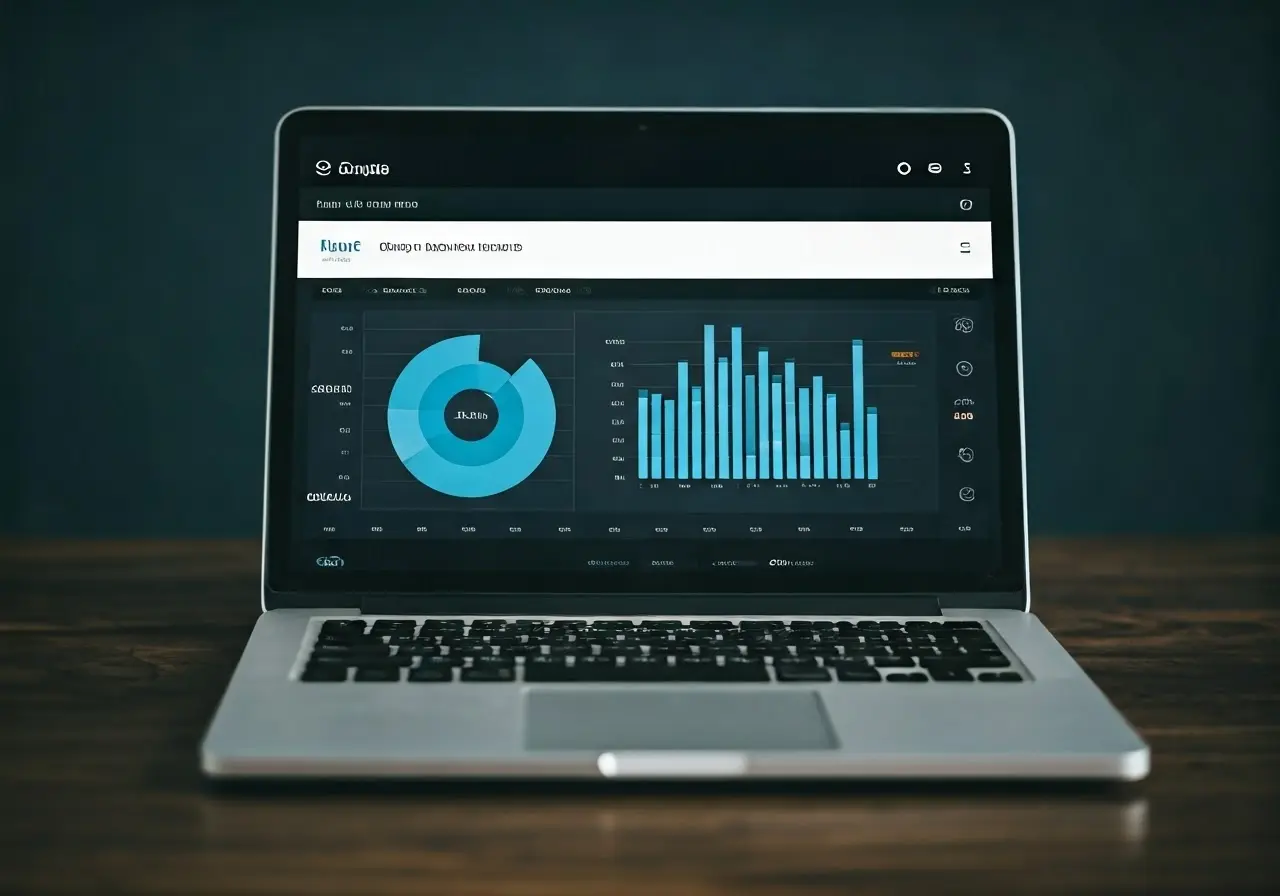
Real-time analytics is a game changer for B2C companies. Through dashboards and reporting tools, businesses can track customer interactions as they happen, enabling them to make instantaneous adjustments to their campaigns. Tools like Google Analytics and customer relationship management software allow businesses to drill down into specifics, like which social media platforms drive the most traffic or which product features garner the most attention. As a result, businesses can focus their resources on strategies that yield the highest return.
Another compelling use of analytics in customer acquisition is segmenting audiences for more targeted initiatives. By categorizing customers based on demographics, behavior, or psychographics, companies can craft bespoke marketing messages that are more likely to engage and convert. This granularity in customer understanding wouldn’t be possible without leveraging analytics. Furthermore, integrating third-party data sources enriches these insights, allowing businesses to build a more robust understanding of their target audience.
Personalization: The Key to Successful Customer Engagement
Data enables businesses to personalize their interactions with customers, creating more meaningful connections. Personalization can significantly enhance customer engagement, leading to increased loyalty and acquisition rates.
Implementing personalization strategies goes beyond merely addressing customers by their first name in emails. Companies can leverage data to understand customer preferences and tailor their communication across multiple channels—be it newsletters, social media interactions, or direct advertisements. This level of personalization fosters a sense of belonging and value among customers, encouraging loyalty and turning occasional buyers into devoted brand advocates.
Lately, dynamic content has been gaining traction as a powerful personalization tactic. By altering website content based on visitor profile data, businesses can provide a unique experience that aligns closely with user interests and needs. This approach not only captivates visitors but also significantly enhances conversion rates, as customers are more likely to purchase when they see products or services directly relevant to them. Personalization, fueled by data insights, is fast becoming the backbone of effective customer engagement strategies.
Measuring Success: KPIs and Metrics for Data-Driven Strategies
To ensure the effectiveness of their strategies, B2C companies need to measure success through clear KPIs and metrics. This section will discuss essential metrics that businesses should track to evaluate their customer acquisition efforts and make necessary adjustments.
In the realm of data-driven decision-making, defining the right KPIs is crucial for measuring success. Conversion rate is a fundamental metric that indicates how well your customer acquisition tactics are working. Equally important is customer lifetime value (CLV), which helps ascertain the long-term profitability of customers acquired through various channels. Cost per acquisition (CPA) is another critical metric that gives insight into the expenditure involved in gaining a new customer, guiding budget allocation.
Apart from these conventional metrics, it’s also essential to track customer engagement KPIs such as click-through rates, the average time spent on site, and bounce rates. These insights shed light on how well your content is resonating with your target audience and whether it is motivating them to take desired actions. By continuously monitoring these parameters, businesses can recalibrate their strategies to address any shortfalls, ensuring resources are directed towards the most effective channels.
The Future of B2C Customer Acquisition: Data is Key
Embracing data-driven decision-making is no longer just an option for B2C businesses; it’s a necessity. By leveraging data effectively, companies can better understand their customers, tailor their strategies, and ultimately drive successful acquisition efforts. As we continue to navigate an increasingly data-centric world, the ability to make informed decisions will only grow in importance. Visit Skyrush Marketing to learn more about how data can power your business growth.